How to verify if a crypto platform is registered in Canada
Learn how to check whether a crypto trading platform is registered in Canada, where to verify CIRO and CIPF membership, and what regulatory disclosures to review before opening an account.
Key takeaways
- A crypto platform’s regulatory status should be confirmed through official Canadian sources.
- The CSA’s National Registration Search is the main starting point for checking whether a firm or individual is registered with securities regulators in Canada.
- The CSA also maintains a list of crypto asset trading platforms authorized to do business with Canadians.
- Crypto asset trading platforms that facilitate trading in crypto-related products are expected to be registered as Investment Dealers and approved as CIRO Dealer Members.
- CIPF membership does not mean crypto assets are covered. CIPF excludes crypto assets from coverage, even when held by a member firm.
- FINTRAC registration as a Money Services Business is not the same as securities registration.
Introduction
To verify whether a crypto platform is registered in Canada, users should not rely on a platform’s homepage, app-store listing, paid ads, the phrase “regulated,” or marketing materials. Use official sources.
Start with the Canadian Securities Administrators’ National Registration Search. Then check the CSA’s list of crypto platforms authorized to do business with Canadians, the CIRO dealer directory, and the CIPF member directory, where applicable. Users should also read the platform’s own registration and regulatory disclosure page to understand what it is registered to do, what terms or conditions apply, and what protections do or do not extend to crypto assets.
Why registration matters
Registration is not simply a marketing claim. It is part of the framework that determines how a firm is permitted to operate in Canada.
The Canadian Securities Administrators says securities industry professionals must register with the securities regulator in each province or territory where they do business, unless an exemption applies. The CSA also says registration helps protect investors because securities regulators only register firms and individuals if they are properly qualified.
A platform is much more than a place where users click buy and sell. It involves account opening, fiat deposits and withdrawals, crypto custody, trade execution, transaction records, staking services, disclosures, complaints, and operational controls.
Registration does not remove crypto market risk, guarantee performance, prevent losses, or mean that crypto assets are suitable for every user.
But registration gives users a clearer way to evaluate the business providing access to buy, sell, and hold crypto.
Step 1: Start with the exact legal name
Before searching, identify the platform’s legal entity name. The brand name may not always be the same as the registered firm’s name. A platform may market itself under one name while appearing in official directories under a legal corporate name.
For Ndax, the legal entity is Ndax Canada Inc.
Users should look for the exact legal name in the platform’s legal pages, registration disclosures, account agreements, footer, or terms of use before searching official databases.
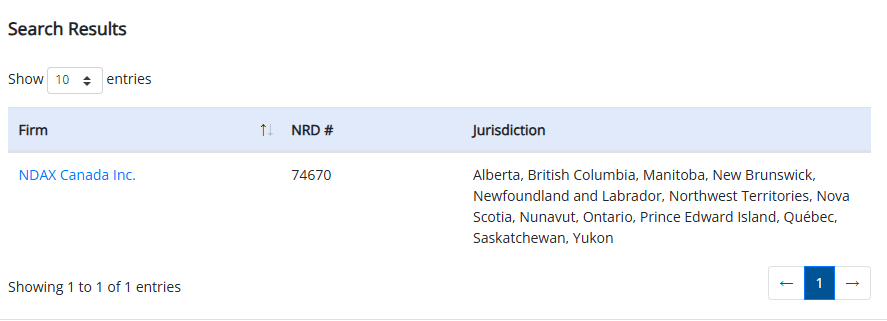
Step 2: Search the CSA National Registration Search
After identifying the platform’s legal entity name, search it in the CSA National Registration Search.
This is the general registration database for firms and individuals registered with Canadian securities regulators. It helps users confirm whether the legal entity is registered, what registration category applies, and where the firm is registered to do business.
This step helps confirm that the company behind the platform has an official registration record, rather than relying only on marketing language such as “regulated” or “compliant.”
Step 3: Confirm the platform appears on the CSA’s crypto platform list
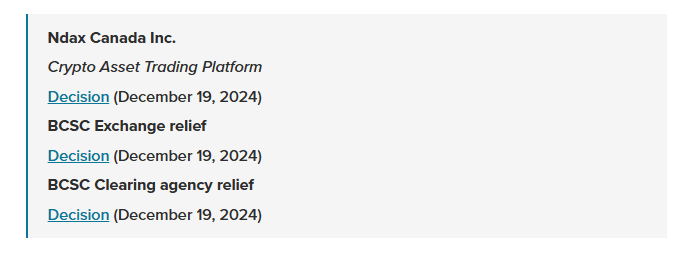
Next, check the CSA’s list of crypto asset trading platforms authorized to do business with Canadians.
This is different from the general registration search. The authorized crypto platform list is specific to crypto trading platforms. It helps users confirm whether the platform appears in the CSA’s crypto-specific framework and whether there is a related decision document, approval, exemptive relief order, or terms and conditions.
This step is important because a crypto platform’s operating model may involve specific conditions around custody, product review, disclosures, client limits, risk acknowledgements, and Order Execution Only services.
Step 4: Confirm CIRO membership
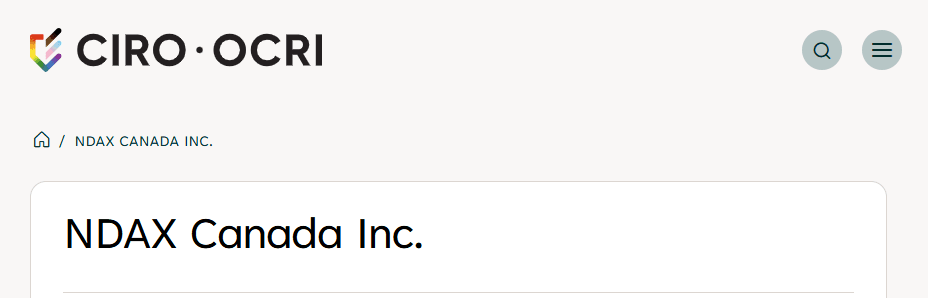
After confirming the platform appears in CSA records, check whether the firm appears in the CIRO dealer directory.
CIRO is the Canadian Investment Regulatory Organization. It is Canada’s national self-regulatory organization overseeing investment dealers, mutual fund dealers, and trading activity on Canadian debt and equity marketplaces. CIRO also regulates crypto asset trading platforms that operate within its regulatory framework.
This step helps users confirm whether the platform is a CIRO-regulated dealer and what dealer category applies.
Step 5: Check CIPF membership
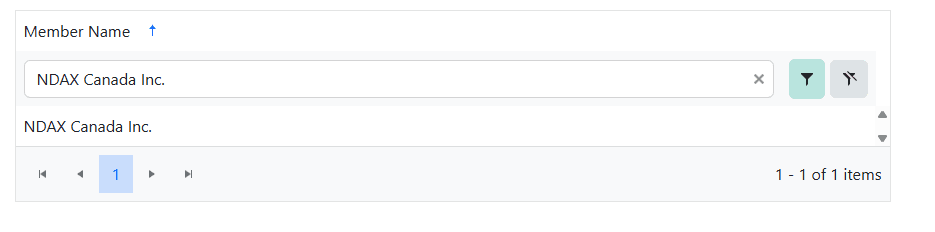
Next, check whether the firm appears in the CIPF member directory. The directory allows users to verify whether a firm is a CIPF member and notes that firms may use marketing names that differ from their legal entity names.
CIPF states that crypto assets held by a member firm on behalf of a client are not eligible for coverage. CIPF also explains that its role is not to guarantee the value of an investment, but to help return eligible client property if a member firm becomes insolvent, subject to the coverage policy and limits.
Step 6: Do not confuse FINTRAC registration with securities registration
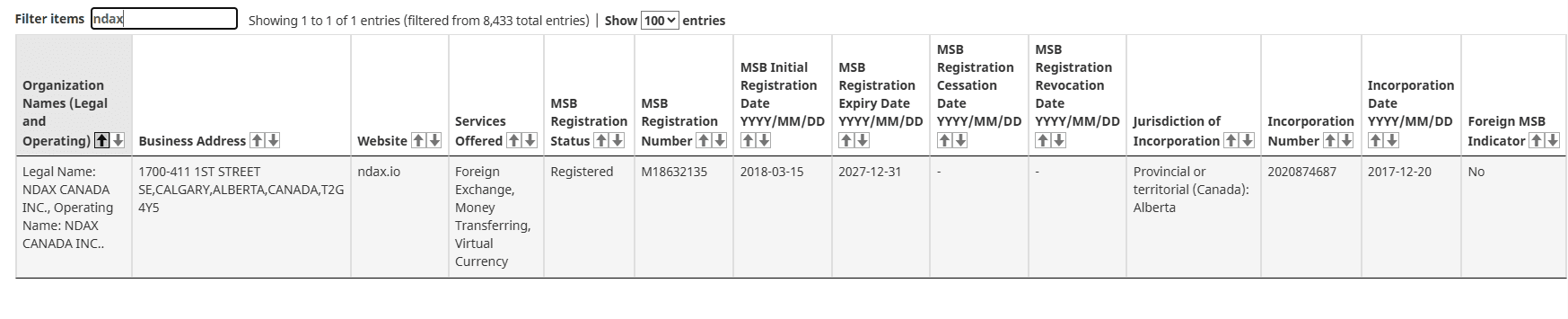
FINTRAC is Canada’s financial intelligence unit and anti-money laundering and anti-terrorist financing regulator. Money services businesses operating in Canada, and foreign money services businesses that provide and direct services to clients in Canada, must register with FINTRAC.
The Financial Consumer Agency of Canada advises crypto users to check securities registration through the CSA National Registration Search and review the CSA list of crypto asset trading platforms authorized to do business with Canadians.
This step helps users avoid treating one type of registration as a substitute for another. A platform may be:
- Registered with FINTRAC as a Money Services Business
- Registered with securities regulators
- Listed by CIRO as an Investment Dealer
- Listed by CIPF as a member firm
- Authorized under a crypto-specific CSA decision
Step 7: Understand the platform’s own regulatory disclosure page
A platform’s regulatory disclosure page should make its regulatory status easy to understand. It should identify the legal entity, registration category, CIRO membership, CIPF membership, Order Execution Only (OEO) status, and other important limits on investor protection.
For Ndax, the registration and regulatory disclosure page states that Ndax Canada Inc. is a registered Investment Dealer under securities legislation in all provinces and territories of Canada, and is a member of CIRO and CIPF. The same page also states that Ndax’s registration is subject to terms and conditions set out in a decision issued by securities regulators.
Step 8: Check disciplinary history and investor alerts
Users can also review disciplinary history, cease trade orders, and investor alerts. The CSA’s Are They Registered? page recommends checking registration, disciplinary history, news, available tools, and investor alerts before investing.
This step is not only about confirming whether a platform is registered. It helps users identify whether a firm, individual, or related entity has appeared in regulatory actions or public warnings.
Red flags to watch for
A platform deserves additional scrutiny if it:
- Does not clearly disclose its legal entity name
- Uses “regulated” without naming the regulator
- Relies only on app-store language, ads, or homepage claims
- Mentions only offshore registration
- Mentions only FINTRAC or MSB registration
- Does not appear in the CSA National Registration Search
- Does not appear on the CSA’s authorized crypto platform list, where expected
- Does not appear in CIRO’s dealer directory, where expected
- Claims crypto assets are insured without explaining limits
- Does not explain whether CIPF applies to crypto assets
- Makes exaggerated safety claims
- Suggests registration means crypto trading is risk-free
- Does not provide clear custody, fee, withdrawal, or risk disclosures
FAQ
How do I check if a crypto platform is registered in Canada?
Search a platform’s legal entity name in the CSA National Registration Search. After that, check the CSA’s crypto asset trading platform list, CIRO’s dealer directory, and the CIPF member directory where applicable.
Is the CSA National Registration Search the same as the CSA crypto platform list?
No. The CSA National Registration Search is the general registration database for firms and individuals registered with Canadian securities regulators. The CSA crypto platform list is specific to crypto asset trading platforms authorized to do business with Canadians.
What does CIRO membership tell me?
CIRO membership helps confirm whether the firm is regulated as a dealer by Canada’s national self-regulatory organization. For crypto platforms, users should check whether the firm appears in CIRO’s dealer directory and what category applies.
Does CIPF cover crypto assets?
No. CIPF states that crypto assets held by a member firm on behalf of a client are not eligible for coverage. Users should not assume CIPF membership means crypto assets are insured or protected.
Is FINTRAC registration enough?
No. FINTRAC registration as a Money Services Business is not the same as securities registration. Users should check CSA and CIRO records separately.
Is Ndax registered in Canada?
Ndax is registered as an Investment Dealer under securities legislation in all provinces and territories of Canada, and is a member of CIRO and CIPF. Ndax is also listed on the CSA crypto asset trading platform list and in CIRO’s dealer directory.
Does registration make crypto trading safe?
No. Registration does not remove crypto market risk. Crypto assets can be volatile, prices can fall, and users can lose money. Registration helps users evaluate the operating framework of the platform.
Bottom line
Canadian crypto users should not rely only on platform claims when checking whether a crypto trading platform is registered. They should verify the information through official sources.
Start with the legal entity name. Search the CSA National Registration Search. Check the CSA’s crypto asset trading platform list. Review CIRO membership. Confirm CIPF membership where applicable. Read the platform’s own regulatory disclosures. Then review the decision document or terms and conditions for more detail.
Registration does not eliminate crypto risk. But it gives users a clearer, more reliable way to evaluate the platform behind the trade.
Don't forget to follow us on social media for more updates and join the conversation on our forums.
Disclaimer: This article is not intended to provide investment, legal, accounting, tax or any other advice and should not be relied on in that or any other regard. The information contained herein is for information purposes only and is not to be construed as an offer or solicitation for the sale or purchase of cryptocurrencies or otherwise.